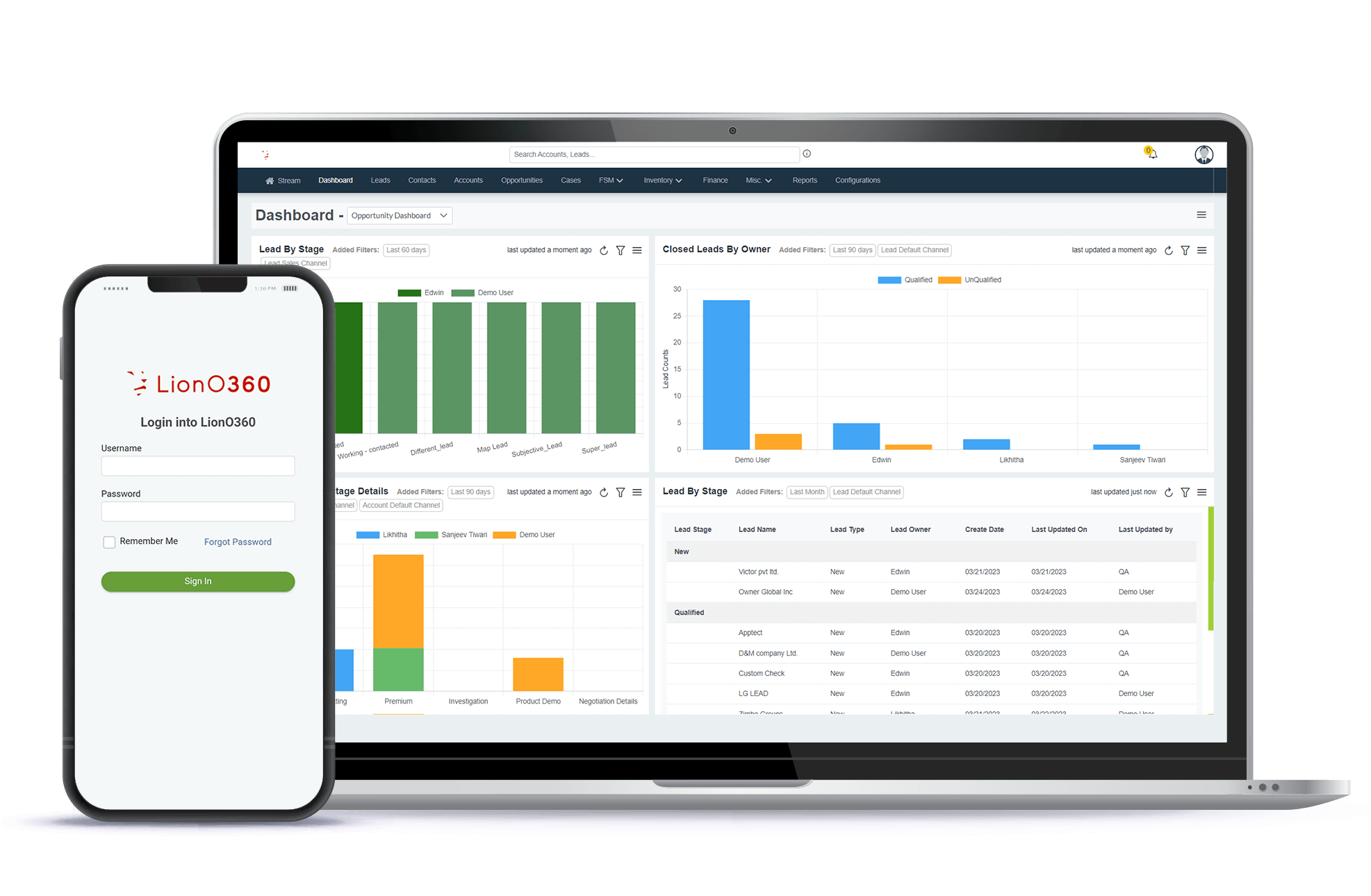



Growing a business today is not just about getting more leads. It is about managing those leads in the right way. Many businesses lose potential customers because they do not properly track or follow up. This is where CRM lead management becomes important.
A good lead management system helps you capture, track, and convert leads into paying customers. It also helps you build long-term relationships. When done right, it can increase your sales and improve customer retention.
In this guide, you will learn everything about CRM for lead management simply and clearly.
What is CRM Lead Management?
CRM Lead Management is the process of capturing leads, tracking their activity, and guiding them through the sales journey until they become customers.
A CRM system stores all lead information in one place. It helps your sales team understand each lead better and take the right action at the right time.
Instead of using spreadsheets or manual methods, businesses now use the best lead management software to manage everything in one system.
Why CRM Lead Management Matters
Many businesses struggle because they do not follow up with leads properly. Some leads are ignored, while others are contacted too late.
Here is why CRM lead management is important:
- Keeps all lead data organized
- Helps track every interaction
- Improves response time
- Increases conversion rate
- Builds better customer relationships
When you use the best lead tracking software, you reduce errors and improve efficiency.
The Lead Management Process Explained
The lead management process includes several stages. Each stage is important for turning a lead into a customer.
1. Lead Capture
This is the first step. Leads come from different sources, such as:
- Website forms
- Social media
- Email campaigns
- Ads
- Events
A CRM for lead management collects all leads in one place automatically.
2. Lead Tracking
Once a lead is captured, you need to track their behavior. This includes:
- Website visits
- Email opens
- Click activity
- Form submissions
Using the best lead tracking software, you can see what each lead is interested in.
3. Lead Qualification
Not all leads are ready to buy. Some are just exploring.
Lead qualification helps you identify which leads are worth your time. You can qualify leads based on:
- Budget
- Need
- Interest level
- Decision-making power
This helps your team focus on high-value leads.
4. Lead Scoring
Lead scoring gives points to each lead based on their actions and profile. This helps you prioritize leads easily.
5. Lead Distribution
In this stage, leads are assigned to the right salesperson.
A good lead management system ensures:
- Better response time
- Balanced workload
- Fast assignment
6. Lead Nurturing
Not all leads are ready to buy immediately. Lead nurturing helps build trust over time.
You can nurture leads through:
- Emails
- Follow-up calls
- Personalized messages
CRM lead management tools help automate this process.
7. Conversion
- Timely follow-ups
- Better communication
- Higher success rate
This is the final stage where a lead becomes a customer.
A strong CRM for lead management ensures:
How CRM Lead Management Boosts Sales
A structured system helps your team work smarter. Here is how CRM lead management increases sales:
Better Lead Visibility
You can see all lead details in one place. This helps you understand customer needs better.
Faster Response Time
Quick responses increase chances of conversion. CRM systems send alerts, so your team never misses a lead.
Improved Follow Ups
Automated reminders ensure that no lead is forgotten.
Data Driven Decisions
Reports and analytics help you understand what works and what does not work.
Higher Conversion Rates
When leads are managed properly, more deals are closed.
How CRM Lead Management Improves Customer Retention
Lead management is not only about sales. It also helps in keeping customers happy.
Personalized Communication
CRM systems store customer history. This helps you send relevant messages.
Better Customer Experience
When customers feel understood, they stay longer.
Strong Relationships
Regular follow-ups and engagement build trust.
Repeat Business
Happy customers are more likely to buy it again.
Features of the Best Lead Management Software
Choosing the best lead management software is important for success. Here are key features to look for:
Centralized Data
All lead information should be stored in one place.
Automation
Automate tasks like:
- Lead capture
- Follow ups
- Email campaigns
- Lead Scoring
- Helps identify high-quality leads.
Reporting and Analytics
Gives insights into performance.
Integration
Should connect with tools like email and marketing platforms.
Mobile Access
Allows your team to work from anywhere.
Challenges Without a Lead Management System
If you do not use a CRM system, you may face:
- Lost leads
- Poor follow-up
- Data confusion
- Low conversion rates
- Weak customer relationships
Manual systems cannot handle large volumes of data.
Tips to Improve Your CRM Lead Management Strategy
Here are simple tips to get better results:
Define Your Ideal Customer
Know who you want to target. This improves lead quality.
Use Lead Scoring
Focus on leads that are more likely to convert.
Automate Routine Tasks
Save time and reduce manual work.
Train Your Team
Make sure your team knows how to use the CRM properly.
Monitor Performance
Track results and make improvements.
Choosing the Right CRM for Lead Management
Selecting the right CRM, like LionO360 CRM, can make a big difference. Here is what to consider:
- Ease of use
- Features
- Scalability
- Cost
- Customer support
The best lead tracking software should match your business needs.
Smarter Lead Generation Starts with LionO360 CRM

If you want to improve your sales and customer relationships, using the right CRM is the key.
LionO360 CRM offers a simple and smart lead management system designed to help businesses grow. It helps you capture leads, track activity, and convert them into customers with ease. With LionO360 CRM, you can:
- Manage leads in one place
- Track every interaction
- Automate follow-ups
- Score and prioritize leads
- Improve team productivity
It is built to make CRM lead management easy for businesses of all sizes.
When you choose the right system, you do not just manage leads. You build lasting relationships and drive real growth. Schedule your Free CRM Demo now!
Frequently Asked Questions
What is CRM Lead Management?
CRM lead management is the process of capturing, tracking, and converting leads using a CRM system. It helps businesses manage customer data and improve sales.
How does CRM Lead Management boost Sales?
It improves response time, tracks lead activity, and helps teams focus on high-quality leads. This increases conversion rates and sales.
Can Lead Management improve Customer Retention?
Yes. It helps businesses understand customer needs and communicate better. This builds trust and encourages repeat business.
Can a Small Business benefit from CRM Lead Management?
Yes. Small businesses can organize leads, save time, and improve sales using a CRM system.
What are the Key Stages of the Lead Management Process?
The main stages are lead capture, tracking, qualification, scoring, distribution, nurturing, and conversion.
Why is Lead Scoring important in a CRM?
Lead scoring helps identify which leads are more likely to convert. This allows sales teams to focus on the right opportunities.
How to Choose the Right CRM for Sales Lead Management?
Choose a CRM that is easy to use, has strong features, fits your budget, and supports your business growth.